

Helix: The Future of Smart Home Robots That Listen and Learn
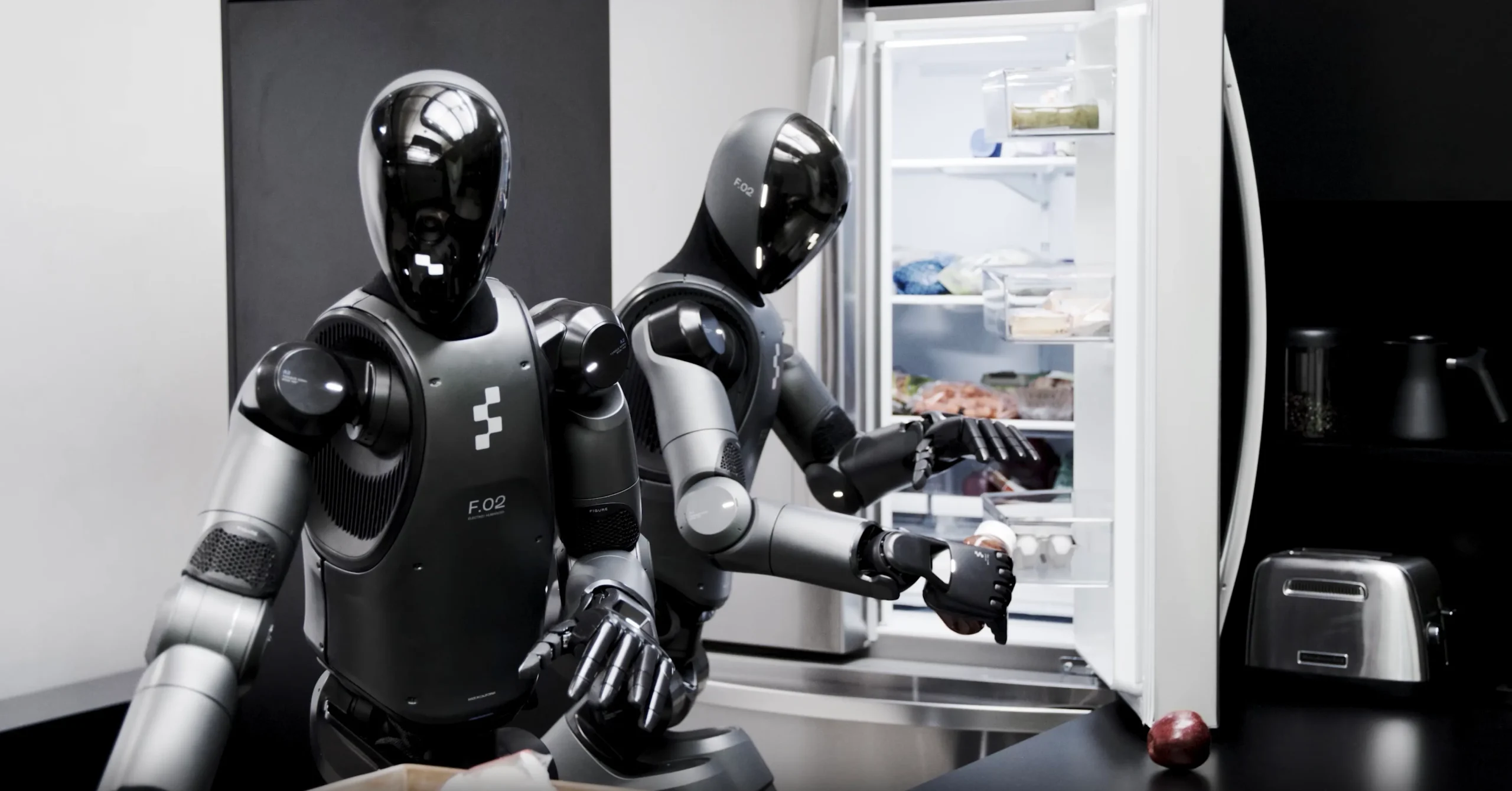
Helix: The Future of Smart Home Robots is a new technology made by a company called Figure. It helps humanoid robots (robots that look like people) to do things around the house, just by listening to voice commands. With Helix, these robots can handle many new items in the house, like dishes or toys, without needing a person to show them how.
To make it even easier to understand: imagine a robot that looks like a person and can help you with chores at home. You don’t need to teach it everything. You just talk to it, and it listens. When you say something, like “pick up the book,” the robot knows exactly what to do, even if it’s a new thing it’s never seen before. This is possible because of a special brain called Vision-Language-Action, or VLA, that helps the robot see things, understand words, and take action based on what it hears. It’s like a magic helper that can understand you without needing to be taught step-by-step!
The company has decided to stop working with OpenAI and is now focusing on making robots that can understand and follow simple voice commands. These robots can be used in homes to do different tasks and can learn on the go, depending on what’s happening around them.

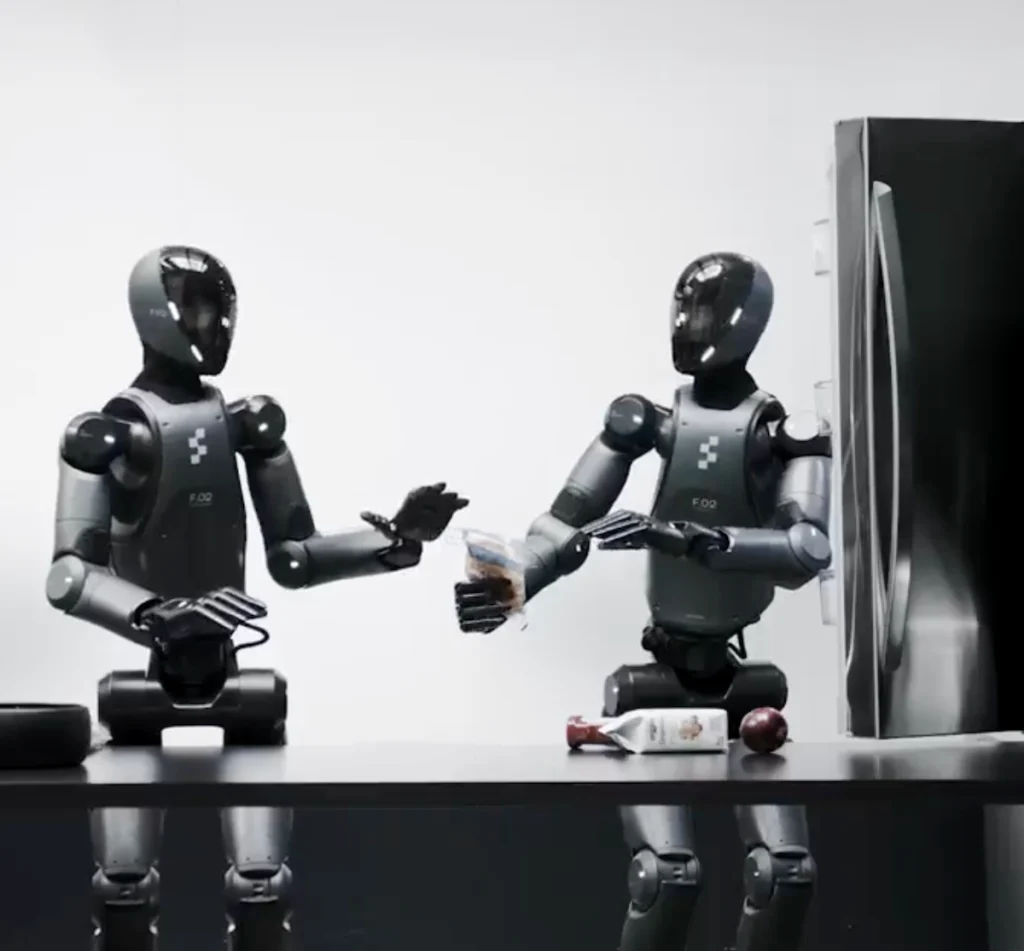
Helix is the special technology that helps these robots. It lets the robots see things, hear what you say, and understand what they need to do. When you talk to the robot, it knows exactly what to do in the moment. Even if the robot has never seen the thing before, it can figure it out just by listening to you. So, if you tell the robot to pick up something it’s never handled before, it can do it without needing extra help. This makes the robots really smart and able to help you with all sorts of things in your house, like picking up your toys or even washing dishes! They can learn quickly just by listening to you, which makes them very good helpers.
Helix is a special tool that can control many robots at the same time. This means the robots can work together to do things like move items from one robot to another or put things in the right places in your home.
Homes can be tricky for robots because rooms look different, and things are always changing. But Helix is smart! It helps robots learn how to deal with all the changes. The robots can adjust to the new things they see and figure out how to do their job. Even if the house changes a lot, Helix helps the robots keep up and do what they need to do.

In simpler words: imagine you have a bunch of little robots, and you tell them to work together, like moving toys or putting things away. Helix helps them understand how to do that, even if your house is messy or things are moved around. It teaches them to learn and work with whatever is happening in the home.
The company is trying to make robots easier to use at home by not making people spend too much time teaching them. Instead of needing to program each little step by hand, they want the robots to learn on their own and be ready to help in your house.
Even though this project is still new, the Helix model is a big step forward. It’s like a bridge that helps connect robots used in big factories to robots that can be used at home. This means that one day, robots will not just be for factories; they could be useful for doing things like cleaning, helping with chores, or organizing things in your house.
To make it even simpler: right now, making robots do things at home is hard and takes a lot of time. But with Helix, the company is working on making it easier and faster. The robots can learn on their own without needing lots of extra work. Even though it’s still early, this could help make robots useful in your house in the future!